cell_tower
Broadcast Station
visibility
6.1K views
schedule
4 months ago

CULCHR.TV
Vintage Exclusive
Up Next
Network Discovery

visibility
6,064 views
thumb_up
99
comment
12
schedule
5:10
2026
4 months ago
The oil market has been roiled by the Iran war, with prices swinging wildly as conflict around the Strait of Hormuz disrupts supply and spooks traders. For regions most dependent on Gulf exports, the strain is already apparent, with wider implications on the horizon.
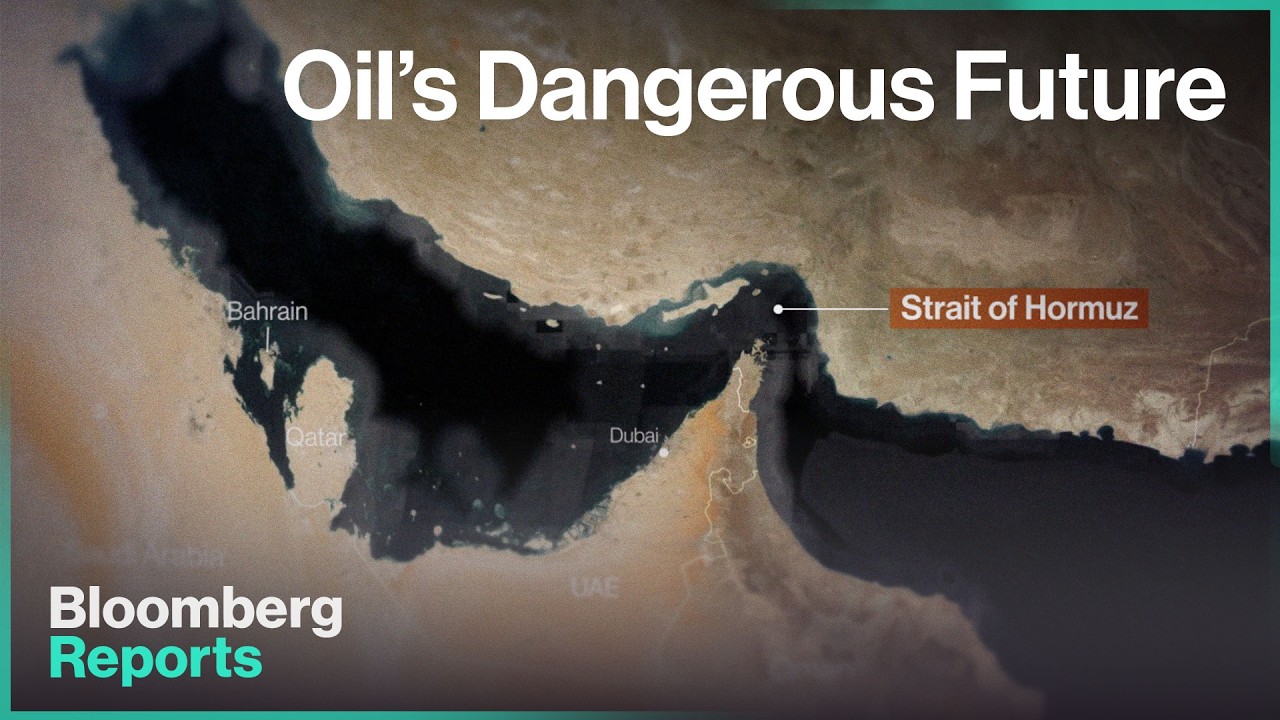
The war in Iran has triggered an unprecedented disruption in global oil markets by effectively halting traffic through the Strait of Hormuz, a narrow waterway that carries roughly a quarter of the world’s seaborne crude. While the conflict has produced a severe humanitarian toll, its economic shockwaves have centered on energy: Brent crude has surged beyond $100 a barrel amid extreme volatility.
The situation is considered unique in the history of Middle East conflicts since Iran has never before sought to fully close the Strait to traffic. Around 6.7 million barrels per day of oil production has been blocked, and the International Energy Agency recently announced a record 400 million-barrel coordinated release from global reserves to stabilize markets. But without a cessation of hostilities and resumption of commercial traffic, efforts to free up supply in other ways may be unlikely to keep prices down.
Read More; Iran’s Supreme Leader Says Other Fronts Will Be Opened If War Persists
For more news on the Middle East, in your mailbox every morning and every night, subscribe to the Bloomberg Morning and Evening Briefings for Europe, the Middle East and Africa.
--------
More on Bloomberg Television and Markets
Like this video? Subscribe and turn on notifications so you don't miss any videos from Bloomberg Markets & Finance: https://tinyurl.com/ysu5b8a9
Visit http://www.bloomberg.com for business news & analysis, up-to-the-minute market data, features, profiles and more.
Connect with Bloomberg Television on:
X: https://twitter.com/BloombergTV
Facebook: https://www.facebook.com/BloombergTelevision
Instagram: https://www.instagram.com/bloombergtv/
Connect with Bloomberg Business on:
X: https://twitter.com/business
Facebook: https://www.facebook.com/bloombergbusiness
Instagram: https://www.instagram.com/bloombergbusiness/
TikTok: https://www.tiktok.com/@bloombergbusiness?lang=en
Reddit: https://www.reddit.com/r/bloomberg/
LinkedIn: https://www.linkedin.com/company/bloomberg-news/
More from Bloomberg:
Bloomberg Radio: https://twitter.com/BloombergRadio
Bloomberg Surveillance: https://twitter.com/bsurveillance
Bloomberg Politics: https://twitter.com/bpolitics
Bloomberg Originals: https://twitter.com/bbgoriginals
Watch more on YouTube:
Bloomberg Technology: https://www.youtube.com/@BloombergTechnology
Bloomberg Originals: https://www.youtube.com/@business
Bloomberg Quicktake: https://www.youtube.com/@BloombergQuicktake
Bloomberg Espanol: https://www.youtube.com/@bloomberg_espanol
Bloomberg Podcasts: https://www.youtube.com/@BloombergPodcasts
apparel
Vintage
steps
Sneakers
checkroom
Streetwear
sports_esports
Gaming
travel
Travel
chef_hat
Food
broadcast_on_home
Tech
child_care
Kids
sell
Reselling
sports
Sports
comedy_mask
Comedy
tv_guide
Entertainment
skateboarding
Skate
style
Cards
history_2
Retro
money_range
Business
headphones
Music
dictionary
Learn
rss_feed
News
wall_art
Art
landscape
Outdoors
newspaper
Docuseries
manga
Anime
sports_kabaddi
Wrestling
styler
Lifestyle
car_gear
Auto
supervisor_account
Reality
shopping_bag
Shopping
diamond
Luxury
military_tech
Military
borg
Sci-Fi
language_international
International
grass
Western
weather_hail
Weather
movie
Movie
car_gear
Engineering
casino
Gameshow
home_and_garden
Home
universal_local
Local
bath_soak
Relaxation
More to Watch

4:12
How Middle East Tension Adds Another Threat To Challenged Luxury Carmakers
17.1K views • 4 months ago

6:28
Pointed News Quiz
239 views • 4 months ago

3:14
How Snack Companies Could Lose Millions Of Dollars Over ‘MAHA’ Laws
84.4K views • 1 month ago

1:52
Markets Have Yet to See a ‘Deflush,’ Strategas’ Verrone Says
2.3K views • 4 months ago

17:28
Why Caviar Is Still So Expensive
99.6K views • 4 months ago

7:29
Why Used Car Prices Are High — Millions Of Cars Are Missing
136.3K views • 1 month ago